World
China Rejects New U.S. Sanctions on Iran as Israel Strikes Lebanon Amid Ceasefire
Tehran vows not to bow to pressure as Washington threatens its toughest sanctions yet and Israel carries out strikes in southern Lebanon
Tensions surrounding the Iran conflict are escalating as China rejects new U.S. sanctions targeting Tehran, Iran vows to resist economic pressure and Israel carries out strikes in southern Lebanon despite a ceasefire.
Iranian President Masoud Pezeshkian said the war must eventually come to an end, arguing that ending it now would be preferable while Tehran remains in what he described as a "position of strength."
Pezeshkian also insisted that Iran would not "bow to bullying" as the country faces mounting pressure from Washington.
U.S. threatens unprecedented sanctions
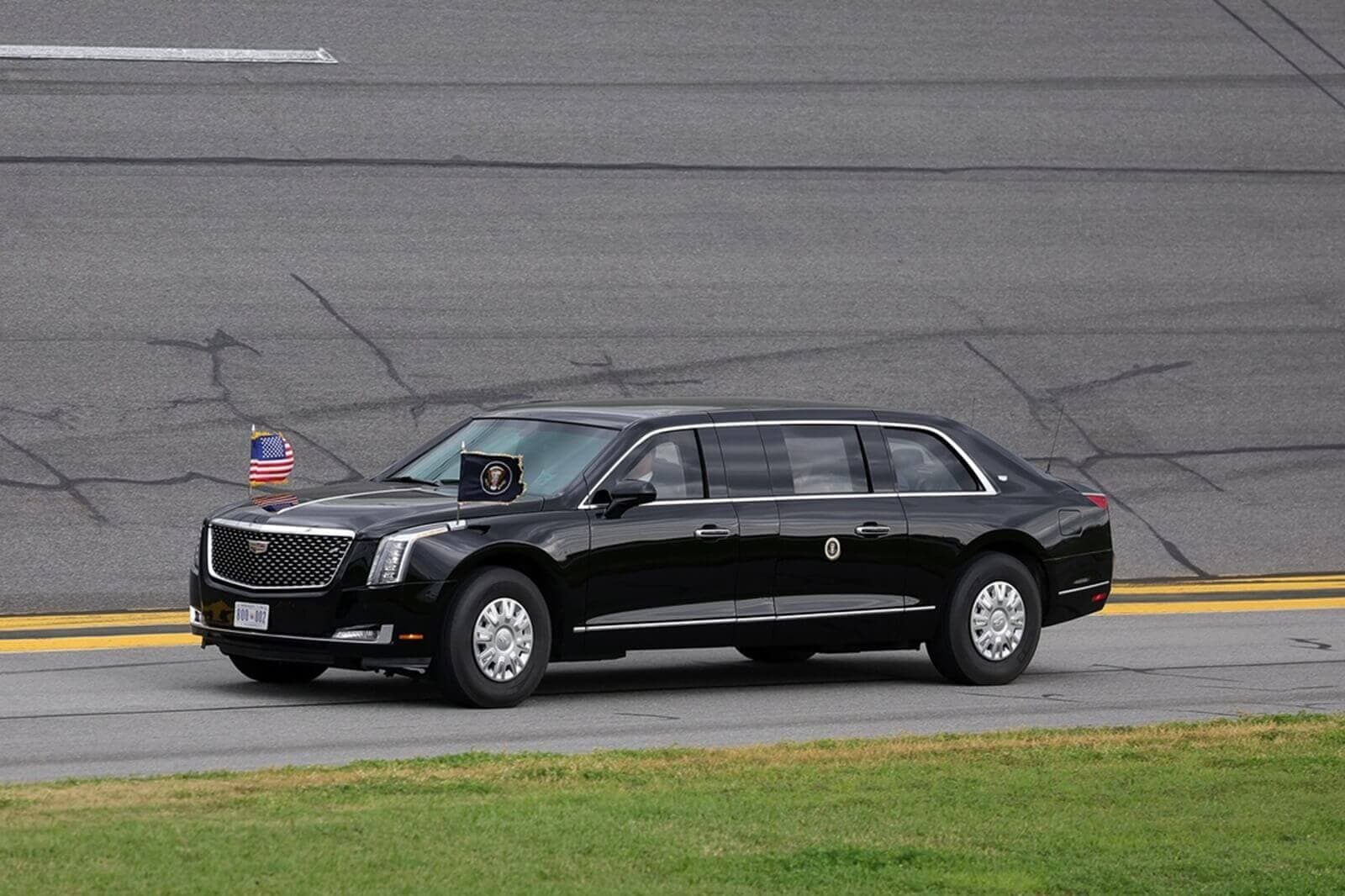
U.S. Treasury Secretary Scott Bessent told CNBC that Washington plans to impose what he described as the "toughest sanctions in history" in an effort to put severe economic pressure on Tehran and ultimately force the collapse of the Iranian government.
Bessent has called on other countries, including China, to join the U.S. campaign against Iran and increase pressure on the Islamic Republic.
Iran has strongly rejected the planned measures.
The Iranian Foreign Ministry called the proposed sanctions "illegal and inhumane," while Foreign Minister Abbas Araghchi warned that the measures could have consequences beyond Iran and threaten the broader global economy.
China pushes back against Washington
Beijing has rejected the planned U.S. sanctions, arguing that economic punishment is not the solution to the conflict.
China's opposition could complicate Washington's effort to isolate Tehran economically, particularly given China's significant role in global trade and its relationship with Iran.
The dispute also underscores the widening divide between Washington and Beijing as both powers take opposing positions over how the Iran conflict should be handled.
Israel strikes southern Lebanon
Meanwhile, the conflict's regional fallout continues.
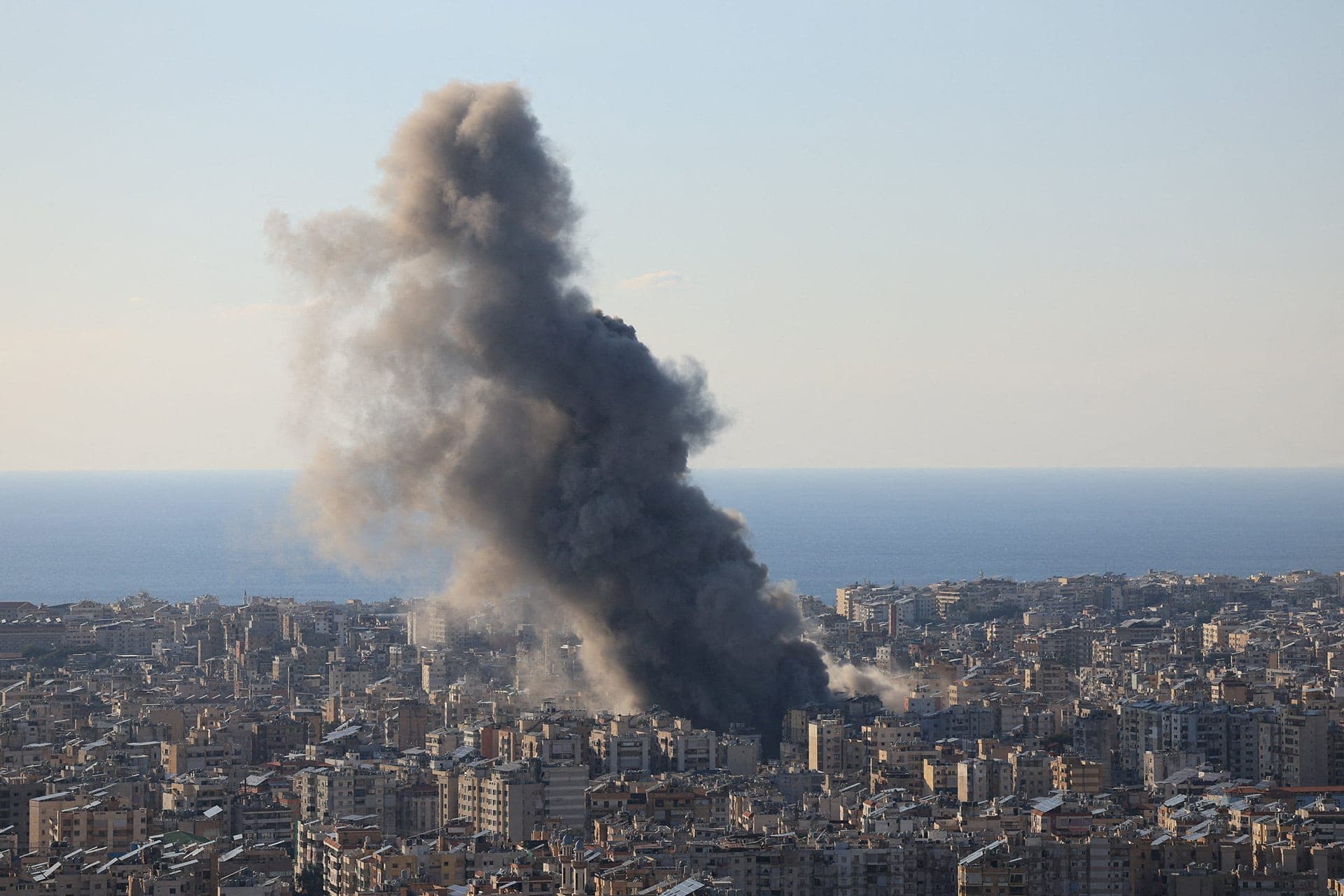
Several areas in southern Lebanon were hit by Israeli strikes, including parts of Bint Jbeil district in Nabatieh province and al-Mansouri in the Tyre area, despite an existing ceasefire.
The strikes add another layer of uncertainty to an already volatile region, with concerns that continued fighting could widen the conflict beyond Iran and Israel.
With Washington threatening unprecedented economic pressure, Beijing refusing to back the sanctions and Israel continuing military operations in Lebanon, diplomatic efforts to contain the conflict face mounting challenges.
Iran, meanwhile, maintains that it will resist outside pressure while signaling that it believes the war should eventually come to an end.
Filed under
Related stories

Did she Really Made up Half the Story? Experts with Conclusions on the Lindsay Clancy Case
Read the full story