World
Defense Expert Says Trump's Oman Threat Reflects Frustration Over Iran Talks
U.S. defense policy expert Rebeccah Heinrichs said President Donald Trump’s recent threat against Oman reflects his frustration with the Gulf ally’s ongoing talks with Iran over the Strait of Hormuz.
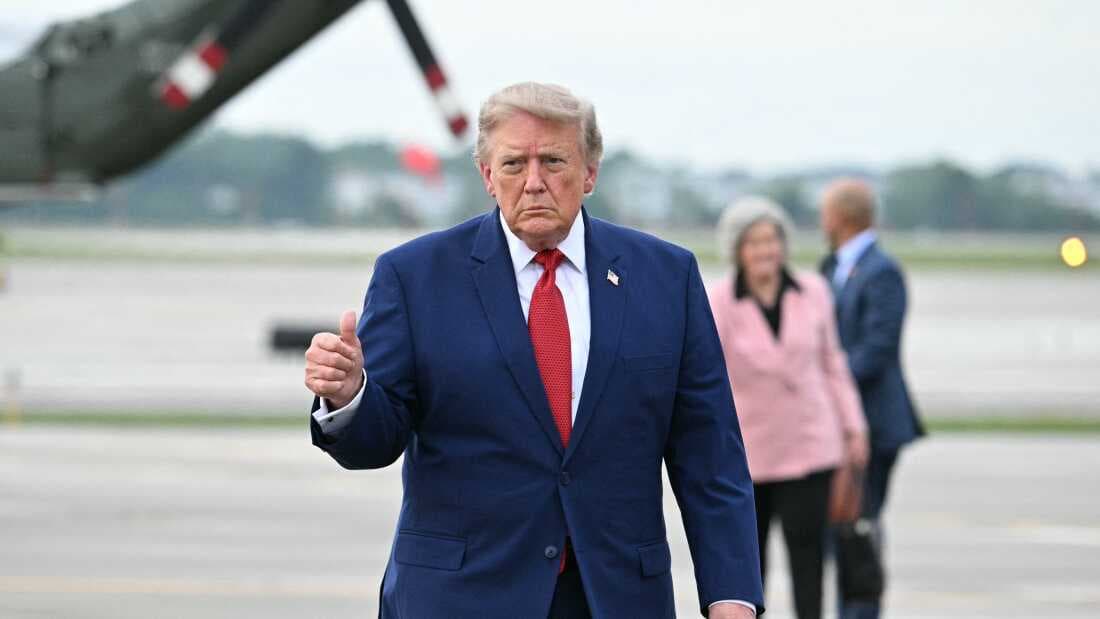
U.S. defense policy expert Rebeccah Heinrichs said President Donald Trump’s recent threat against Oman reflects his frustration with the Gulf ally’s ongoing talks with Iran over the Strait of Hormuz.
Heinrichs, a senior fellow at the Hudson Institute, said Trump is unlikely to accept any arrangement that would allow Iran to control traffic through the strategic waterway or impose tolls on ships.
“Omanis are an ally of the United States,” Heinrichs said, but warned that any suggestion that Iran could control the strait would conflict directly with Trump’s position.
She added that Trump is making clear that Iran cannot control the Strait of Hormuz under any circumstances, regardless of Oman’s involvement.
According to Heinrichs, the administration’s broader strategy is focused on limiting Iran’s ability to rebuild its military capabilities. She said this could include maintaining the naval blockade, increasing sanctions and facilitating the movement of as many commercial ships as possible through the strait along the Omani coast.
Trump recently threatened to bomb Oman if it interfered with U.S. negotiations with Iran, escalating tensions with a country that has played a key role in diplomatic efforts between Washington and Tehran.
The dispute centers on control of the Strait of Hormuz, a critical global shipping route and a major point of contention in negotiations between the United States and Iran.
Filed under
Related stories

Did she Really Made up Half the Story? Experts with Conclusions on the Lindsay Clancy Case
Read the full story