
World
Israel’s Religious Right Is Reshaping the State From Within
Religious fundamentalism is gaining influence within Israel’s own institutions, restricting freedoms while deepening the unequal and oppressive system imposed on Palestinians.
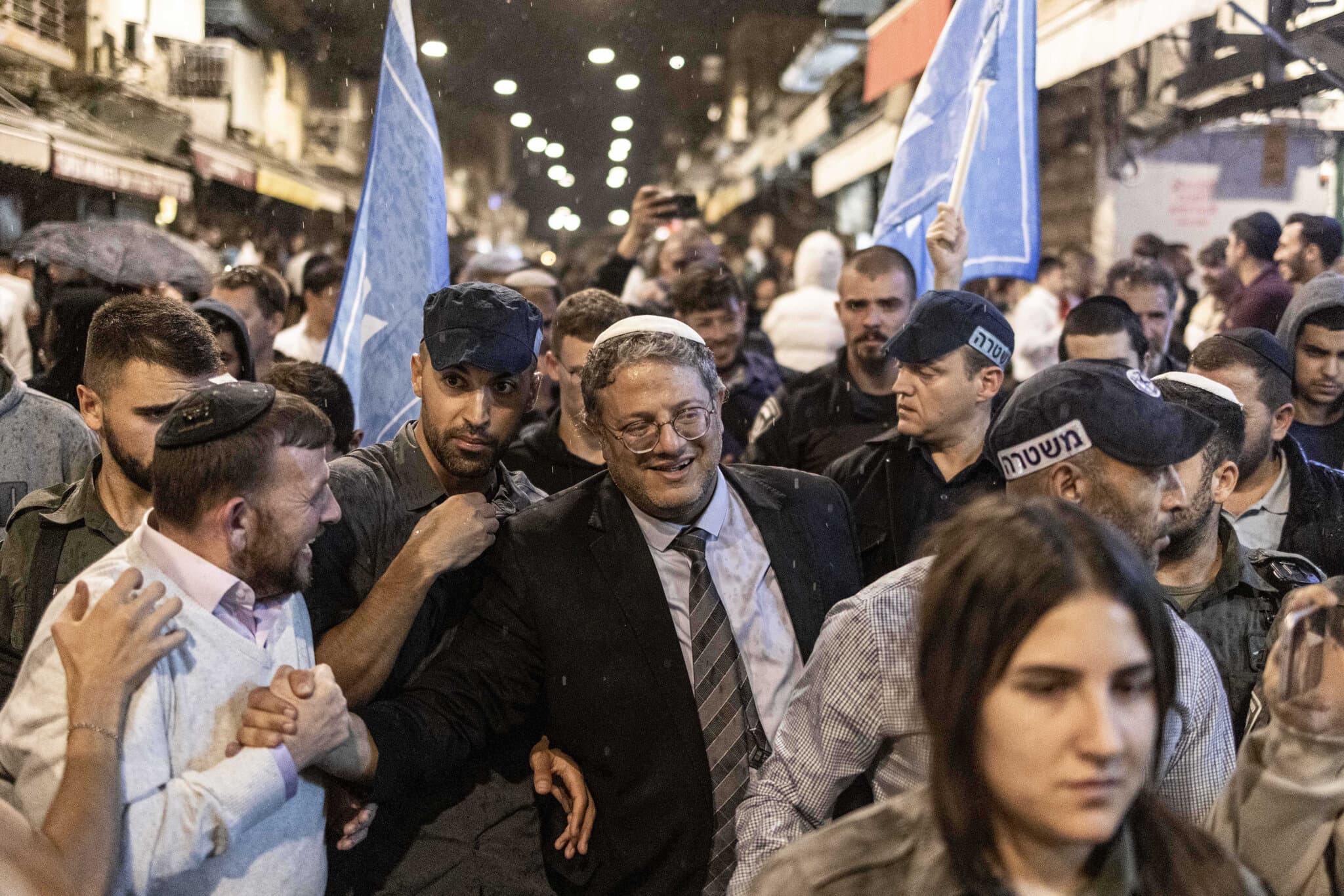
In Israel, ultra-Orthodox and religious-nationalist forces are gaining political influence over issues far beyond their traditional constituencies, including gender segregation, religious education, rabbinical authority, the relationship between religious and civil law, and settlement and territorial control.
Their rise raises a broader question: what happens when religious fundamentalists do not need to overthrow a state because they can gradually reshape it through existing institutions?
Imagine Tel Aviv several years from now. Cafes remain open. Women still walk the streets. Elections continue, the Knesset meets and the Supreme Court remains in operation. There is no coup.
Yet something fundamental has changed.
Gender-separated spaces continue to expand under the justification of accommodating religious communities. Religious schools receive public funding while facing limited requirements to teach subjects such as mathematics, science and English. Religious demands carry greater weight in public life, while individual freedoms are increasingly defined by a religious-nationalist vision of what Israel should be.
This transformation is occurring within a state established as Jewish, while Palestinians have never enjoyed equal standing within the political system. Religion has also long shaped marriage and divorce, conversion, Sabbath observance and the recognition of Jewish identity.
What is changing is the growing ability of religious and religious-nationalist movements to define Israel's Jewish character in increasingly religious terms, including through claims over land and sovereignty.
The direction is already visible in the Knesset, where Haredi and religious-nationalist parties include Shas, United Torah Judaism, Religious Zionism, Otzma Yehudit and Noam. They are not one unified bloc. Haredi parties generally prioritize religious education, military exemptions, budgets and religious institutions, while Religious Zionist and Kahanist parties combine religion with nationalism, settlement and territorial control.
Despite their differences, their importance to coalition governments has moved religious demands closer to the centre of state policy.
For Palestinians, this religious shift does not create the inequality they already face. Instead, it gives existing ethnonational structures a stronger religious justification. As claims to land become connected to the belief that Jewish control fulfils a divine promise, Palestinians can increasingly be portrayed not only as a demographic or security concern, but as obstacles to a religious-national vision of sovereignty.
That inequality is already visible in the Negev, where Bedouin communities have faced demolitions, displacement and restrictive planning policies. In the occupied West Bank, the connection between religious-nationalist ideology and territorial control is even clearer. Settlement policy, settler influence and religious doctrine increasingly reinforce each other, blurring the distinction between security policy and a broader project of territorial control.
Religious framing can also make compromise harder. If territory is portrayed as divinely promised, withdrawal can be presented not as a political decision but as surrendering something no government has the moral authority to give away.
Filed under
Related stories
Did she Really Made up Half the Story? Experts with Conclusions on the Lindsay Clancy Case
Read the full story