Newsletter
Six stories and one chart, in your inbox by 6:30 a.m. Eastern. Written by the desk editors, not a machine.
Messages, previously unknow, were found where Anthony talks about knives, guns, murder and licking the blood off the blade.
Newly presented evidence includes alleged messages about stabbing and blood, while Anthony's defense argues an unwritten agreement kept potentially damaging material away from the original jury.
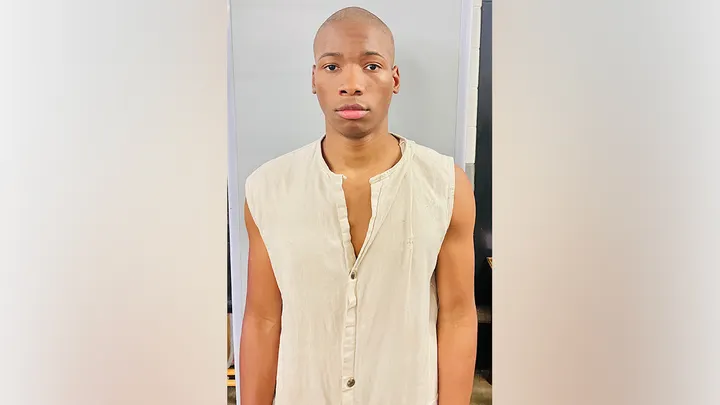
McKINNEY, Texas — Prosecutors fighting to preserve Karmelo Anthony's murder conviction presented jurors' previously unseen evidence Friday, including messages they say were written by Anthony that referenced stabbing someone and licking blood from a blade.
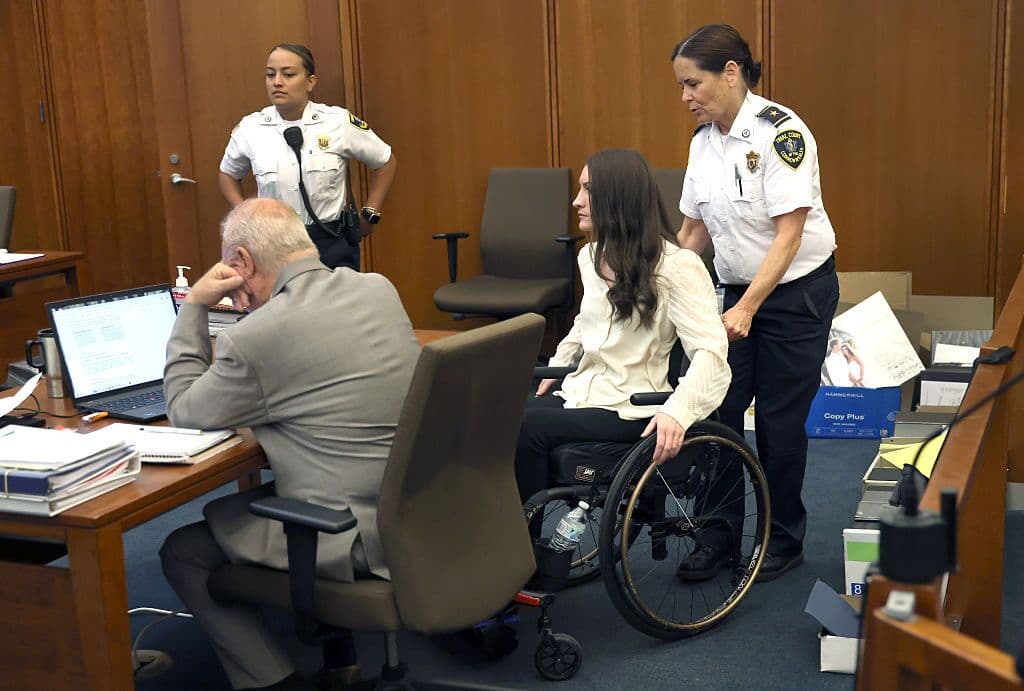
The evidence was presented as retired District Judge Michael Chitty considers Anthony's request for a new trial following a controversial courtroom battle over evidence, self-defense and whether Anthony should have been allowed to testify.
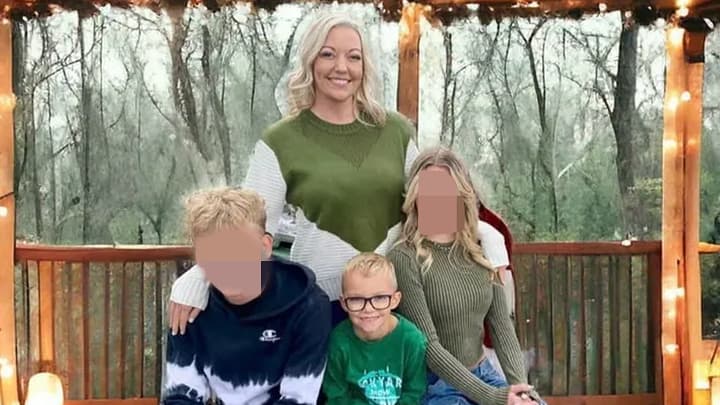
Anthony, 19, was convicted in June of murdering 17-year-old Austin Metcalf during an altercation at a Frisco track meet. A Collin County jury sentenced him to 35 years in prison.
The case has continued to draw intense public attention, and questions surrounding the original trial have now placed Anthony's conviction under renewed scrutiny.
Prosecutors present messages, photos and disciplinary records
During Friday's hearing, prosecutors displayed phone messages, photographs and school disciplinary records that they say were excluded from Anthony's original trial under an agreement between the prosecution and defense.
Among the most striking material was an October 2024 message prosecutors attributed to Anthony that allegedly described stabbing someone and licking blood from a knife blade.
Other messages allegedly referenced guns, knives and starting fights. Prosecutors also presented photographs they said showed Anthony holding firearms.
The state introduced school records that prosecutors said documented previous fights and altercations involving Anthony.
Prosecutor Bill Wirske argued that the evidence could have been damaging had character evidence been allowed during the original trial.
The court has not made findings that establish the allegations as fact.
Fight over Anthony's decision not to testify
At the heart of the new-trial hearing is a disputed oral agreement between Anthony's original defense team and prosecutors.
The agreement was intended to prevent potentially damaging character evidence involving both sides from being presented to the jury.
Former lead defense attorney Mike Howard testified Thursday that he believed the agreement would allow Anthony to testify about the confrontation at the track meet without opening the door to unrelated character evidence.
According to Howard, that understanding changed on the final day of the trial.
He testified that prosecutors informed the defense that the agreement would not necessarily protect Anthony if he took the witness stand and that the defense had already opened the door to character evidence.
The dispute reportedly became heated during a break, and Anthony ultimately decided not to testify.
Howard acknowledged under cross-examination that the lawyers never expressly put in writing whether Anthony's own testimony was covered by the agreement.
He also said he could not conclude that prosecutors acted in bad faith.


Defense says Anthony feared prosecutors would use evidence against him
Former defense attorney Toby Shook testified Friday that the defense team understood the agreement to permit Anthony to testify about what happened under the tent at the Frisco track meet.
Shook said prosecutors later argued that a reference to Anthony's chess club during opening statements had opened the door to character evidence.
According to Shook, the defense had expected Anthony to testify as part of his self-defense claim and was caught off guard by the dispute.
Shook said Anthony was told that Judge John Roach could not simply enforce an unwritten agreement and would instead rule on objections based on the evidence introduced during trial.
The defense attorney testified that Anthony ultimately feared prosecutors would "find a reason to open the door" to damaging character evidence if he testified.
That decision is now central to the defense's argument that Anthony deserves a new trial.
Judge removed from remaining proceedings
The hearing follows the removal of Judge John Roach from the remaining trial-court proceedings.
Retired Judge Sid Harle determined that a reasonable outside observer could question Roach's impartiality after he publicly stated that the jury "got it right" and defended several decisions made during Anthony's trial.
Chitty is now responsible for ruling on Anthony's motion.
Prosecutor describes extraordinary security concerns
After the defense rested Friday morning, prosecutors called Wirske to testify.
He described what he characterized as an unprecedented level of threats surrounding the case, including doxxing, swatting incidents and online misinformation.
According to Wirske, threats were directed toward Anthony, the Metcalf family, attorneys, judges and potential witnesses.
Those security concerns influenced how court documents were handled. Wirske testified that certain filings were kept in paper form with Judge Roach instead of being submitted through the court's normal online system.
He denied that the arrangement created a secret file and said the measures were implemented because officials feared information could be exploited to target people involved in the case.
Wirske also defended restrictions on cameras and public access to the courtroom, arguing that security concerns justified the precautions.
Defense raises constitutional questions
Anthony's motion raises additional constitutional arguments, including claims that restrictions on courtroom access violated his Sixth Amendment right to a public trial.
The defense also argues that jury instructions improperly limited how jurors could consider Anthony's self-defense claim.
Howard testified that the defense discussed limiting some public access because of security concerns but did not formally waive Anthony's Sixth Amendment rights on the record.
The defense also argued that the lack of an overflow courtroom was connected to technology concerns rather than a specific security threat.
Self-defense remains at the center of the case
The question of whether Anthony should have testified is particularly important because his defense relied heavily on self-defense.
Criminal defense attorney Clint Broden, who was not involved in the case, told Fox News Digital that an unwritten agreement affecting whether a murder defendant can testify is highly unusual.
Broden also said that winning a self-defense case can be extremely difficult without the defendant personally explaining what he feared and why he believed deadly force was necessary.
The dispute over the agreement has therefore become a major issue in determining whether Anthony received a fair opportunity to present his defense.
Monday deadline looms
The clock is now running.
Under Texas rules, Chitty must rule on Anthony's motion by Monday. If the judge does not grant the motion by the deadline, it will be denied by operation of law and Anthony's direct appeal will proceed.
The new hearing does not itself determine Anthony's guilt or innocence. Instead, the judge must determine whether the circumstances surrounding the original trial were serious enough to justify throwing out the conviction and allowing Anthony to face a new trial.
For now, Anthony remains convicted and sentenced to 35 years in prison.
The case has become a broader fight over evidence, self-defense, courtroom transparency and the integrity of the judicial process.
And with a Monday deadline approaching, the next decision could determine whether Karmelo Anthony's 35-year sentence remains intact or whether one of Texas' most closely watched murder cases heads back toward a new trial.
The allegations and evidence described in the hearing remain subject to the court's rulings. Anthony's conviction remains in place unless and until it is overturned.