
World
Lindsay Clancy Murder Trial: Defense Nears End of Case as Closing Arguments Approach
Follow live updates from Lindsay Clancy’s murder trial as her defense is expected to wrap up its case Wednesday.
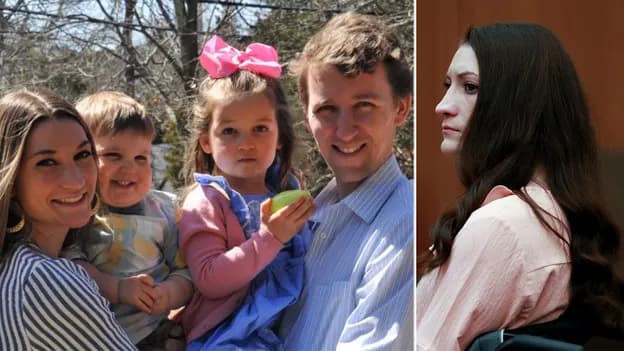
A hospital chaplain testified that Lindsay Clancy told her she was relieved her children were safe just days after her three children were killed.
Sheila Cavanaugh, a board-certified chaplain at Brigham and Women’s Hospital, said she visited Clancy on Jan. 31, 2023, while Clancy was recovering in the hospital. Cavanaugh testified that Clancy was connected to multiple medical tubes, wearing a neck brace and appeared emotionally neutral.
According to Cavanaugh, Clancy told her, “I am so glad my children are safe.” The chaplain said she responded that the children were safe in heaven with God, and the two prayed together.
Clancy is charged with three counts of first-degree murder in the deaths of her children, Cora, Dawson and Callan. She acknowledges that she killed them but maintains that she was suffering from postpartum psychosis at the time.
Attorneys Debate Jury Instructions
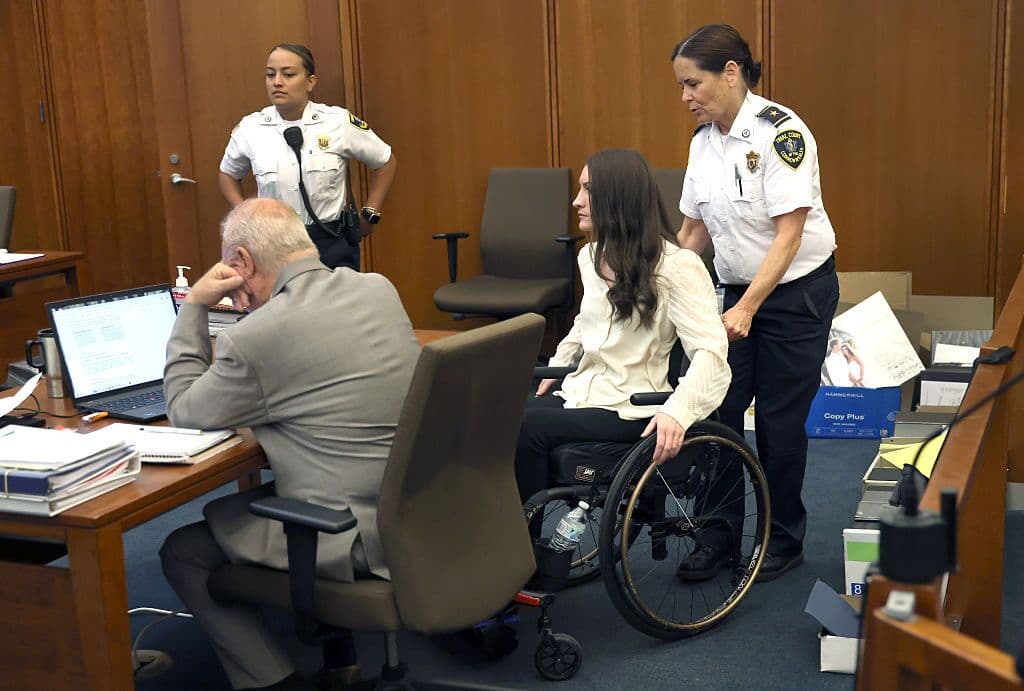
Attorneys in the case also argued Wednesday over the instructions jurors should receive before beginning their deliberations.
Prosecutor Jennifer Sprague argued that jurors should be instructed on first- and second-degree murder. She said an involuntary manslaughter instruction should not be included because prosecutors believe Clancy acted with an intent to kill.
Defense attorney Kevin Reddington disagreed. He argued that Clancy's actions were connected to involuntary intoxication caused by excessive or inappropriate prescription medication. Reddington said he plans to ask the judge to include involuntary manslaughter in the jury instructions.
Judge William Sullivan said he expects to receive a draft of the proposed instructions Thursday. Court was then dismissed until Friday.
Defense Says Case Highlights Maternal Mental Health
Reddington told The Meridian that the case has drawn national attention because of broader questions surrounding postpartum mental health and how mothers experiencing severe mental health problems are treated.
He argued that the case demonstrates problems within the mental health system, saying struggling patients can sometimes be given multiple medications while receiving limited follow-up care.
Reddington said he understands why people struggle to sympathize with a mother accused of killing her children. However, he argued that the jury's responsibility is to determine whether prosecutors have proven the charges beyond a reasonable doubt.
He also said the support Clancy has received from people around the country could help her as she continues through the trial.
Prosecutors Face Criticism
Criminal defense attorney Donna Rotunno told The Meridian that she believes prosecutors have sometimes appeared disconnected from the emotions jurors may be experiencing during the trial.
Rotunno pointed to an exchange Tuesday involving Assistant District Attorney Shanan Buckingham and Susan Clancy, Lindsay Clancy's mother-in-law.
During questioning, Buckingham asked Susan Clancy, who is Catholic, whether she knew that murder is considered a “mortal sin.”
Rotunno said moments like that could affect how jurors view the prosecution's presentation of the case.
Filed under
Related stories
Did she Really Made up Half the Story? Experts with Conclusions on the Lindsay Clancy Case
Read the full story