
World
LIVE: Lindsay Clancy Defense Rests as Psychiatrist Says She Felt an “External Force” Take Over Her Body
Defense rests as psychiatrist says Clancy believed an outside force controlled her, while prosecutors continue to argue the killings were planned

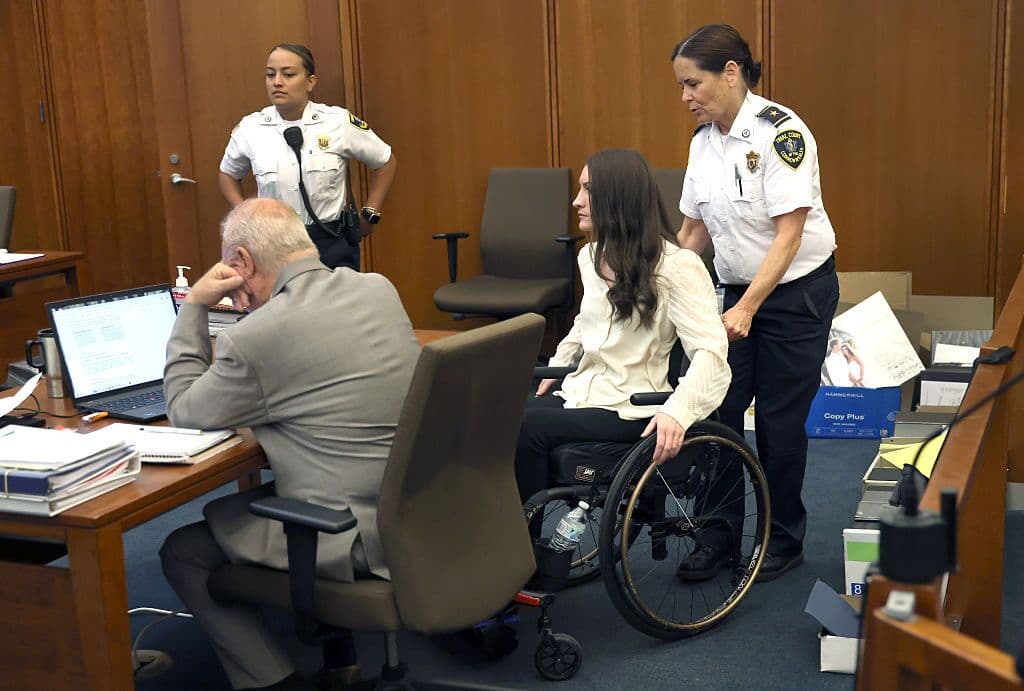
The defense in Lindsay Clancy’s murder trial rested Friday after forensic psychiatrist Dr. Phillip Resnick testified that Clancy claimed an “external force” took control of her body before she killed her three children.
Resnick, who previously testified in the Andrea Yates case, told jurors that he believed Clancy was suffering from severe depression, bipolar disorder and psychosis at the time of the killings.
He said psychological testing found “no evidence of faking psychiatric symptoms.” Resnick testified that Clancy experienced a command hallucination and felt as if she were being controlled like a “puppet.”
According to Resnick, Clancy may have believed she was saving her children by sending them to heaven with her, describing her thinking as severely distorted.
But prosecutors sharply challenged that explanation.
During cross-examination, prosecutor Jennifer Sprague pointed to Resnick’s own writing about how command hallucinations can be fabricated. She also highlighted major differences between Clancy’s case and Andrea Yates, noting that Yates had previously been hospitalized multiple times and had attempted suicide before killing her children.
Prosecutors argue Clancy planned the murders and then staged a suicide attempt, while her defense claims she was overwhelmed by postpartum psychosis and medication-related problems.
Sprague also challenged claims that Clancy remained consumed by grief, pointing to records showing she expressed hope about becoming an advocate for postpartum issues and even participating in a wheelchair marathon.
The prosecution is now presenting rebuttal witnesses before closing arguments. If testimony finishes Friday, closing arguments could begin Monday.
Clancy, 36, is charged with first-degree murder in the deaths of her three children, Cora, Dawson and Callan, who were killed at their Duxbury home in January 2023.
If convicted, she faces life in prison without parole. If found not criminally responsible, she would be committed to a Massachusetts state psychiatric hospital.
The case now comes down to a central question: Was Clancy acting under severe psychosis, or did she deliberately plan the killings and attempt to create an insanity defense afterward?
The Meridian
Filed under
Related stories
Did she Really Made up Half the Story? Experts with Conclusions on the Lindsay Clancy Case
Read the full story