
World
Log Cabin Republicans Cut Ties With Transgender Advocacy, Blame ‘Radical’ Activism for Losing Gay Support
Prominent Gay Conservative Group Shifts to ‘LGB’ Advocacy, Rejecting What It Calls Radical Transgender Activism Targeting Children
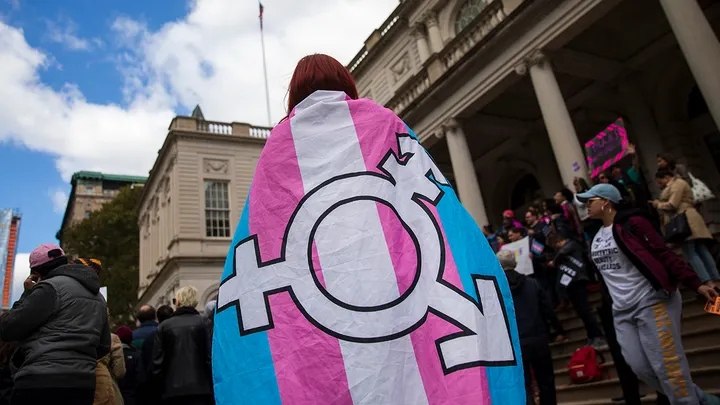
Prominent gay conservative group says its national mission will return to gay, lesbian and bisexual Americans as it warns that transgender politics are damaging public support for traditional gay-rights issues.
WASHINGTON — One of the nation's most prominent gay conservative organizations is drawing a sharp line between gay-rights advocacy and the increasingly controversial transgender movement, announcing a major shift in its national political focus.
Ross Hemminger, president of Log Cabin Republicans (LCR), announced the change in an opinion piece published Thursday, saying the organization will return its attention to representing gay, lesbian and bisexual conservatives within the Republican Party.
The move effectively removes the "T" from the organization's national advocacy mission, reversing a decision made by its board in 2015 to include transgender issues under its broader umbrella.
Hemminger argued that the political landscape has changed dramatically since that decision.
"Fifty years ago next year, Log Cabin Republicans was founded on a simple conviction: that gay Americans who believe in limited government, individual liberty, and equality deserve equal protection under the law and a voice inside the Republican Party," Hemminger wrote.
He said the organization was originally built around constitutional principles including individual freedom, limited government and equal protection under the law.
According to Hemminger, LCR's leadership now believes its national advocacy should once again concentrate specifically on sexual orientation and conservative principles.
Group condemns transgender policies involving minors
Hemminger sharply criticized what he described as the "radical" wing of the transgender movement, particularly its involvement in policies affecting children.
He argued that transgender advocacy groups have increasingly focused on schools, youth gender policies, transgender participation in women's sports and medical interventions involving minors.
"The transgender movement has ceased focusing on adults at all — nearly all of their efforts and those of their aligned special interest groups focus on minors," Hemminger wrote.
He accused transgender advocacy organizations of pushing what he called "radical gender ideology" in schools and supporting policies that allow biological males to compete in women's sports.
He also criticized gender-related medical interventions for minors, arguing that parents should not be excluded from decisions involving their children's medical care.
The comments place LCR squarely within one of the Republican Party's most prominent cultural debates and represent a significant break from organizations that treat gay-rights and transgender advocacy as part of a single political movement.
Hemminger says gay Americans are paying the political price
Hemminger also argued that the growing association between gay-rights advocacy and transgender activism is hurting support for issues historically associated with the gay-rights movement.
He pointed to polling showing that public support for some LGBT-related issues has declined from previous highs.
According to Hemminger, many younger Americans did not experience the decades-long political and legal battles surrounding gay marriage and other gay-rights issues.
Filed under
Related stories

Did she Really Made up Half the Story? Experts with Conclusions on the Lindsay Clancy Case
Read the full story