World
Ninth Circuit Rules Sigal Chattah Cannot Lawfully Serve as Nevada Acting U.S. Attorney
A unanimous three-judge panel of the Ninth Circuit Court of Appeals ruled Monday that Sigal Chattah cannot lawfully serve as Nevada’s Acting U.S. Attorney.
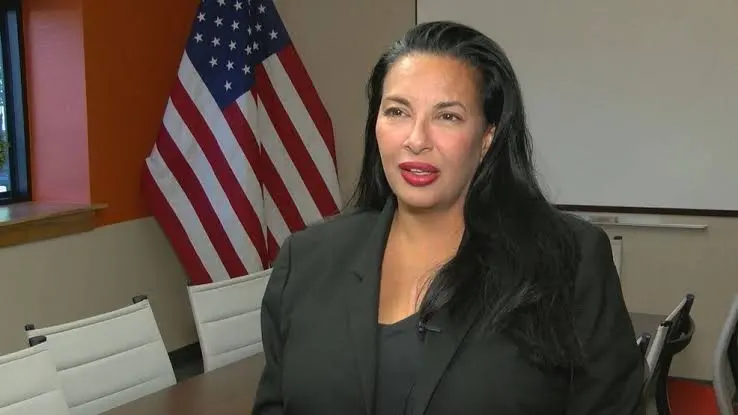
A unanimous three-judge panel of the Ninth Circuit Court of Appeals ruled Monday that Sigal Chattah cannot lawfully serve as Nevada’s Acting U.S. Attorney, rejecting the Trump administration’s attempt to extend her authority after her temporary appointment expired.
The case centered on how the Department of Justice attempted to keep Chattah in charge of the U.S. Attorney’s Office after her 120-day interim appointment ended.
Nevada’s U.S. Attorney, Jason Frierson, resigned on January 17, 2025. Under the Federal Vacancies Reform Act, First Assistant U.S. Attorney Sue Fahami automatically became acting U.S. attorney when the vacancy occurred.
Two months later, Attorney General Pamela Bondi appointed Chattah as interim U.S. attorney under a federal law allowing the attorney general to make temporary appointments. That appointment was limited to 120 days and was set to expire on July 30.
On July 28, just two days before the deadline, Chattah resigned from the interim position. That same day, Bondi designated her as First Assistant U.S. Attorney and argued that the appointment would allow Chattah to immediately become Acting U.S. Attorney under the Federal Vacancies Reform Act.
Bondi also appointed Chattah as a Special Attorney and gave her authority to conduct legal proceedings that U.S. Attorneys are permitted to handle.
Several defendants challenged the arrangement, arguing that Chattah could not become acting U.S. attorney because she was not the first assistant when the vacancy originally occurred.
The Ninth Circuit agreed.
Writing for the panel, Judge Eric Miller said the Federal Vacancies Reform Act allows automatic succession only when the first assistant was already serving when the vacancy arose. The court concluded that the attorney general cannot create that status by appointing someone as first assistant after the office is already vacant.
The court also rejected the administration’s alternative argument that Bondi could simply delegate all of the U.S. Attorney’s powers to Chattah. The panel held that the Federal Vacancies Reform Act is the exclusive mechanism for temporarily authorizing an acting official to perform the functions of a vacant executive office.
The ruling therefore affirms a lower-court order disqualifying Chattah from supervising the criminal prosecutions involved in the case.
However, the decision did not dismiss the underlying indictments. The Ninth Circuit said it did not have jurisdiction to review the defendants’ separate appeals challenging the refusal to dismiss those indictments.
The decision was issued by a panel consisting of Trump-appointed Judge Eric Miller, Trump-appointed Judge Stanley Blumenfeld Jr., sitting by designation, and Clinton-appointed Judge Sidney Thomas.
The ruling is a significant setback for the Justice Department’s effort to use temporary appointments and delegation powers to keep acting U.S. attorneys in place beyond the limits established by federal law.
Filed under
Related stories
Did she Really Made up Half the Story? Experts with Conclusions on the Lindsay Clancy Case
Read the full story