World
North Korea Expands Russia Support With Drone Operators as Ukraine Warns of Growing Threat
Kyiv says hundreds of North Korean drone operators are now in Russia and could support attacks against Ukrainian targets as Moscow seeks additional manpower and weapons
North Korea is expanding its military support for Russia, with hundreds of North Korean drone operators reportedly deployed alongside thousands of troops in Russia, according to a senior Ukrainian intelligence official.
Major General Vadym Skibitskiy, deputy head of Ukraine’s Defense Intelligence, said a new contingent of roughly 8,500 North Korean personnel in Russia includes about 400 drone operators. Some could eventually use drones to conduct surveillance and strikes against targets inside Ukraine.
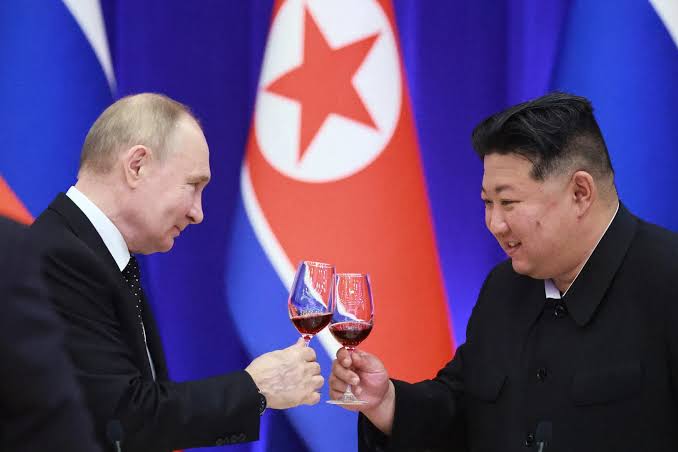
The development would represent a significant expansion of the growing military partnership between Moscow and Pyongyang, which has deepened since North Korea began sending troops to support Russia’s war effort in late 2024.
Skibitskiy also warned that Russia could seek as many as 50,000 additional North Korean troops when Russian President Vladimir Putin meets North Korean leader Kim Jong Un in September.
North Korea has denied reports that tens of thousands of additional troops are preparing to deploy. Kim Jong Un’s powerful sister, Kim Yo Jong, dismissed the claims as a "groundless self-fabricated scenario."
North Korean troops could free up Russian forces
According to Ukrainian intelligence, the North Korean personnel already in Russia are concentrated primarily in the Kursk region and include roughly 1,000 engineers and demining specialists.
The reported 400 drone operators could provide Russia with additional battlefield expertise while allowing Russian forces to shift more troops toward offensive operations in Ukraine.
Skibitskiy said Ukrainian intelligence does not currently expect the North Korean forces to fight directly on Ukrainian territory. Instead, they could reinforce Russian rear positions, freeing Russian soldiers for combat along the front.
Ukraine previously warned that North Korean personnel had been involved in drone operations, but officials say the latest deployment provides the clearest indication yet that Pyongyang is supplying Russia with specialized drone capabilities.
Overall, Skibitskiy estimates that approximately 25,000 North Korean personnel have been deployed to or rotated through Russia since the beginning of the partnership.
North Korea's battlefield experience is growing
North Korea's first major deployment to Russia began in October 2024, when troops were sent to the Kursk region following Ukraine's incursion into Russian territory.
Pyongyang remained publicly silent about the deployment for months before acknowledging in April 2025 that its soldiers had fought alongside Russian forces.
Ukrainian officials estimate that around 10,000 North Korean troops participated in the initial deployment and suffered heavy casualties.
Those returning to North Korea are believed to have gained valuable experience in modern battlefield tactics, particularly drone warfare, which has become a defining feature of the conflict.
The growing cooperation has also been visible through Russian state media, which has shown North Korean troops training in Russia. Kim Jong Un has also opened a memorial honoring North Korean soldiers killed while supporting Russia.
Filed under
Related stories
Did she Really Made up Half the Story? Experts with Conclusions on the Lindsay Clancy Case
Read the full story