World
Trump Orders Pentagon to Scale Back Military Exercises With South Korea
President Donald Trump has ordered the Pentagon to substantially reduce military exercises with South Korea, pointing to his improving relationship with North Korean leader Kim Jong Un.
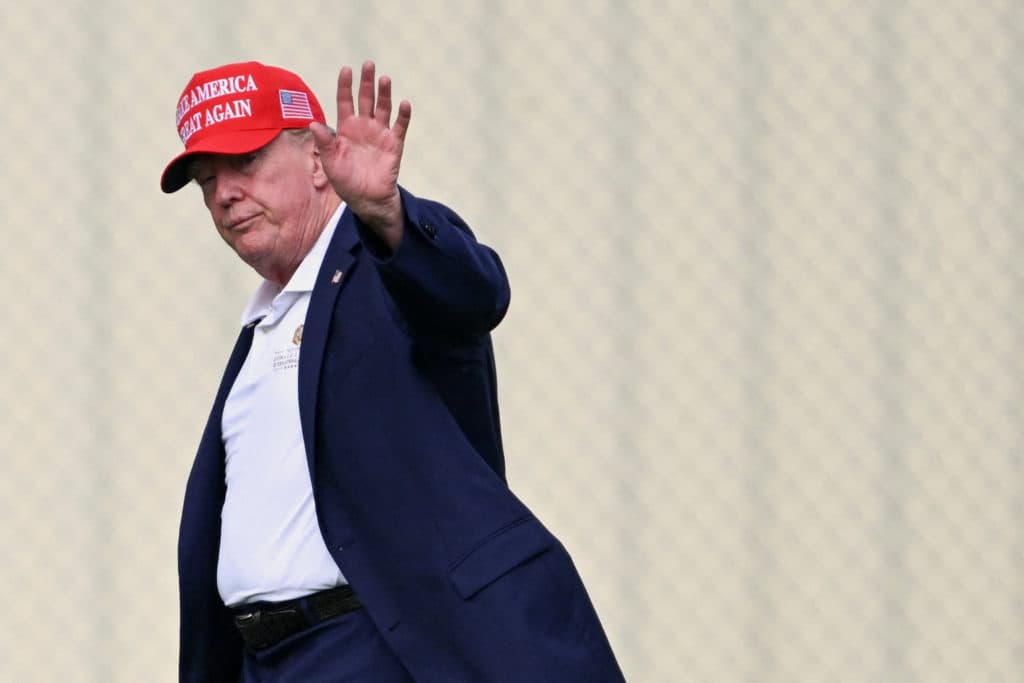
President Donald Trump has ordered the Pentagon to substantially reduce annual joint military exercises with South Korea, citing Seoul’s refusal to support the U.S. campaign against Iran and pointing to his improving relationship with North Korean leader Kim Jong Un.
The exercises began Monday, but Trump said they were already too far underway to cancel completely. Instead, he directed Defense Secretary Pete Hegseth to significantly scale them back.
Trump argued that the drills are costly and send an unnecessarily hostile message to North Korea. He said Pyongyang had remained “unthreatening and respectful” during his time in office.
Trump also said he recently asked South Korean President Lee Jae Myung whether South Korea would join the United States in efforts aimed at the “denuclearization” of Iran, claiming Seoul declined.
The decision represents another instance of Trump appearing to prioritize relations with a leader previously viewed by Washington as an adversary over a longstanding U.S. ally.
Trump and members of his administration have also criticized NATO allies for what they see as insufficient support for the U.S. war against Iran, while European governments face growing security concerns over Russia.
The move is particularly notable because it reverses the administration’s recent praise for South Korea. In May, Hegseth commended Seoul for its commitment to increased defense spending and for taking greater responsibility for security on the Korean Peninsula.
Hegseth described South Korea’s approach as an example of the kind of defense burden-sharing the administration wants other U.S. allies to adopt.
The decision to reduce the exercises could therefore signal a significant shift in Washington’s approach to the U.S.-South Korea alliance and its broader strategy toward the Korean Peninsula.
Filed under
Related stories

Did she Really Made up Half the Story? Experts with Conclusions on the Lindsay Clancy Case
Read the full story