World
Women Rally Behind Lindsay Clancy, Say Their Voices Are Being Ignored
Hundreds of Women in Pink Rally Outside Massachusetts Court to Support Lindsay Clancy as Trial Continues
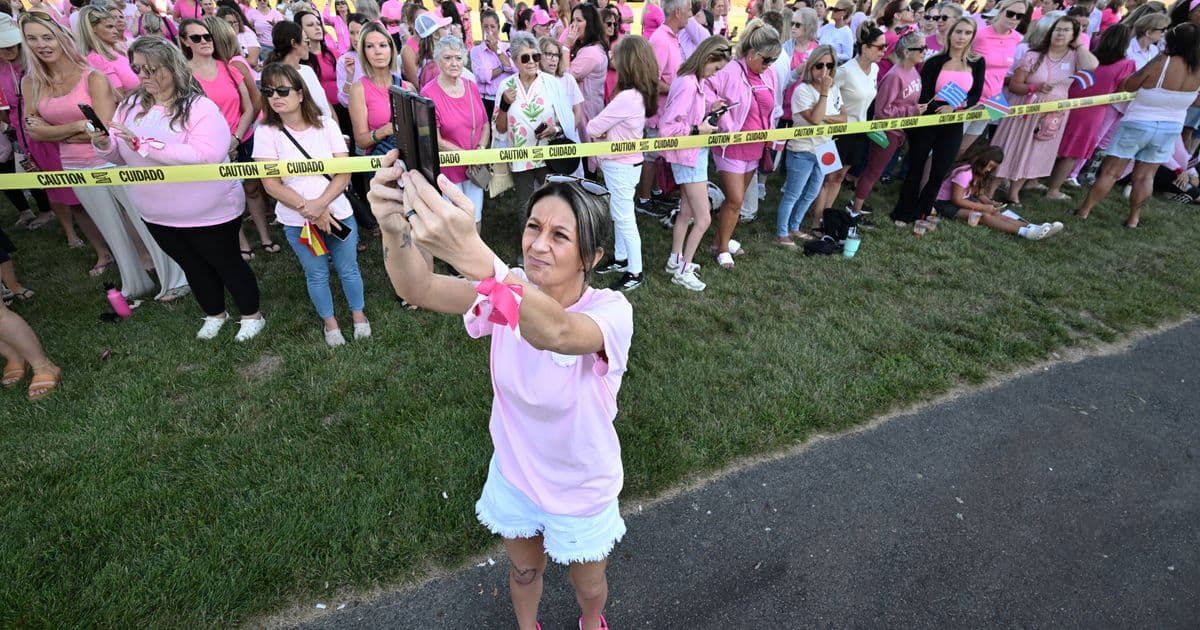
Hundreds of Lindsay Clancy supporters, many dressed in pink shirts reading “Believe,” “She Needed Help” and “Peace For Lindsay,” gathered outside a Massachusetts courthouse Thursday as her trial continued over the deaths of her three children.
The supporters said Clancy’s case has exposed serious questions about how women suffering severe mental health crises are treated and whether their warnings are taken seriously.
Clancy’s defense does not dispute that she killed her children. Her attorney argues she should not be held criminally responsible because she was suffering from severe mental illness, including alleged postpartum psychosis and bipolar disorder.
The case has sparked intense debate online and brought renewed attention to postpartum psychosis, a rare condition that can develop after childbirth and involve hallucinations, delusions and extreme confusion.
Prosecutors, however, argue Clancy deliberately planned the January 2023 killings and sent her husband out of the house to pick up medicine and dinner before the children were killed.
Thursday marked the first major public rally for Clancy during the nearly month-long trial.
“Women are being dismissed, neglected and ignored when we speak up,” said April Vincent, a Rhode Island paralegal who attended the demonstration. “Nobody takes us seriously.”
The crowd stood silently outside the courthouse before the proceedings began. When defense attorney Kevin Reddington appeared, supporters applauded.
Rally organizer Renee Kimball urged the group to continue supporting Clancy and trust her defense team.
Supporters later formed a circle, recited the Lord’s Prayer and raised their hands in solidarity. Some carried flags from different countries, saying the support for Clancy has extended beyond the United States.
Clancy, 36, has pleaded not guilty to charges in the deaths of Callan, Dawson and Cora, who were between eight months and five years old.
Inside the courtroom, hospital chaplain Sheila Cavanaugh testified about her repeated visits with Clancy after the killings. She said Clancy initially appeared emotionally flat after regaining consciousness and later spoke about her children and her mental state.
Cavanaugh testified that Clancy once told her she had heard a voice warning that she and her children would not be safe unless she followed its commands.
Prosecutors challenged Cavanaugh over why that statement was not included in her hospital notes. Cavanaugh responded that her role was to support Clancy, not medically evaluate her, and that she was not trained to document conversations as a medical professional.
Cavanaugh said she visited Clancy more than 200 times and continued seeing her after she was transferred to a state mental hospital.
“She loves them deeply,” Cavanaugh told the court. “She carries immense grief.”
The trial has become a flashpoint in the debate over mental illness, personal responsibility and whether women experiencing severe postpartum conditions receive adequate intervention before tragedy strikes.
The Meridian
Filed under
Related stories
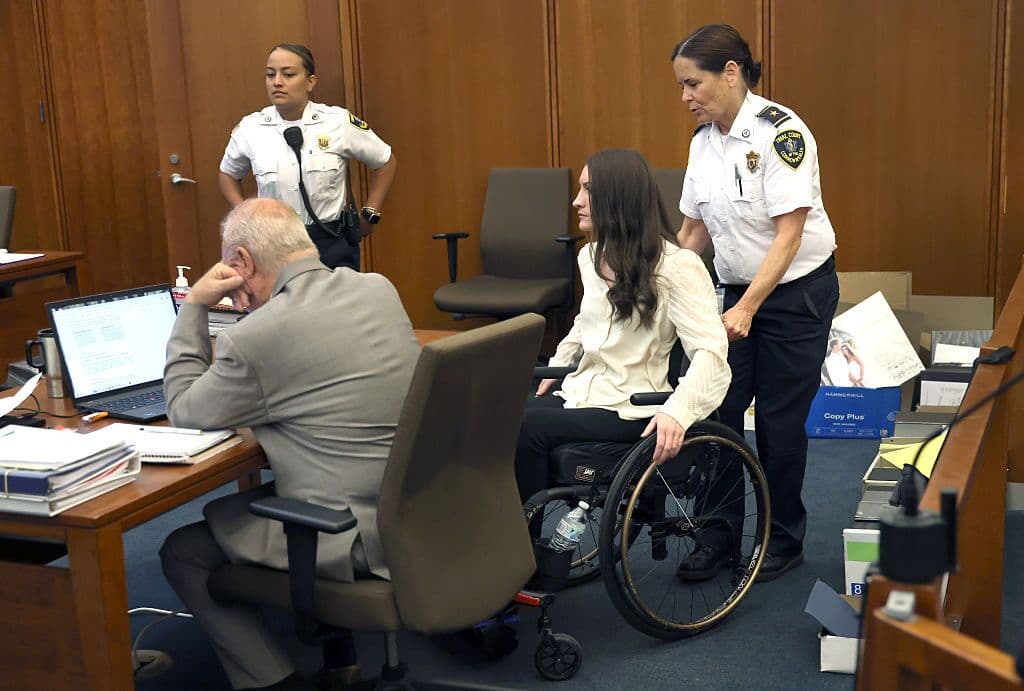
Did she Really Made up Half the Story? Experts with Conclusions on the Lindsay Clancy Case
Read the full story